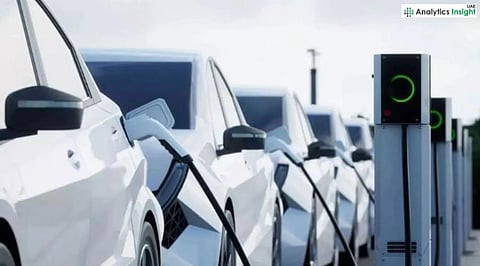


Rising fuel prices have had a major impact on the automobile market across Europe. Electric vehicle sales climbed nearly 29% in the first quarter of 2026, as more buyers turned away from petrol and diesel cars.
For many households, the change is driven by simple math. Filling a fuel tank has become noticeably more expensive in recent weeks. Daily commutes, weekend travel, and even routine errands are costing more. In that context, EVs are no longer seen as a niche or future-facing option. They are becoming a practical choice.
The ongoing tensions involving Iran have unsettled global oil supply routes, especially through the Strait of Hormuz. Any disruption here quickly affects oil availability worldwide.
That impact is now visible at fuel stations across Europe. Petrol and diesel prices have surged, hitting levels that many drivers have not seen in years. The ripple effect has been immediate, leaving consumers with little room to delay decisions.
Buyers are now looking past initial expenses to operational costs. Maintenance of gasoline cars is getting more expensive, whereas electricity tariffs remain stable.
As a result, even those who were reluctant to purchase an electric vehicle find themselves doing it without any coaxing. Increased interest in electric vehicles is evident at car dealerships across different countries.
Incentives provided by the government play their part, but are not the primary motivation anymore. The sense of urgency comes directly from consumers' pockets.
Northern European countries maintain their position as frontrunners of the transition movement. Norway leads the electric vehicle market as electric vehicles make up the majority of its new car sales.
The countries of Denmark and Finland compete closely with each other. The larger markets of Germany, France, Italy, and Spain are experiencing fast growth to catch up with other markets. The countries have shown a definite increase in electric vehicle registrations during recent months, especially when fuel prices reached their highest point.
Also Read: UAE Boosts EV Infrastructure With New Charging Station on E11 Highway
The current increase seems to continue beyond a brief period. Europe was already progressing to cleaner transportation solutions through its regulations and sector investments. The speed of progress has now become our current focus for assessment. The rising cost of fuel has made the problem more urgent, which leads to immediate buying decisions among most customers. The current trend will continue as long as oil prices experience unpredictable changes. The transition to electric vehicles has now evolved into an economic issue for most Europeans.