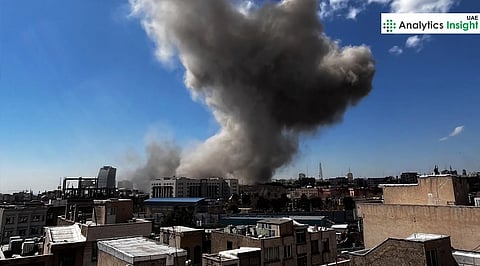


A sharp wave of Gulf oil output cuts now spreads across the Middle East energy market. Major producers have reduced production as the Strait of Hormuz faces severe disruption during the ongoing regional conflict.
The export chokepoint has remained almost inactive for more than ten days. Tankers avoid the narrow waterway due to rising security risks. The situation blocks shipments that normally move toward Asia and Europe. The shutdown now squeezes global oil supply and shakes energy markets worldwide.
Oil exporters across the Gulf have started deep production reductions to manage overflowing storage tanks. Countries including Saudi Arabia, United Arab Emirates, Iraq, and Kuwait have collectively cut around 6.7 million barrels per day from output. This volume equals roughly 6% of global oil supply.
Energy officials describe the cuts as the most direct supply reaction since the conflict began.
Each producer now trims significant volumes from daily production.
Saudi Arabia has reduced output by roughly 2 to 2.5 million barrels per day, representing nearly a quarter of previous production. The United Arab Emirates has lowered output by 500,000 to 800,000 barrels per day, while Kuwait has removed about 500,000 barrels per day from the market.
Iraq faces the sharpest decline. Output there has fallen by nearly 2.9 million barrels per day, close to 60% of earlier levels. Storage facilities across the region continue to fill as exports remain blocked.
Energy analysts say the Middle East oil crisis now affects every stage of the energy chain. Oil fields reduce production. Refineries scale back operations. Liquefied natural gas plants in the region also face pressure.
The Strait of Hormuz disruption carries enormous global impact. Around 20 million barrels of oil pass through the corridor every day, representing about 20% of world oil consumption.
Most shipments normally travel toward Asian markets including China, India, Japan, and South Korea.
Even partial disruption sends shockwaves through energy markets. Insurance premiums for shipping have jumped sharply. Many tanker operators now avoid the route completely.
As the crisis intensified, oil prices surge pushed crude close to $120 per barrel earlier this week. Prices later retreated to around $92 per barrel after diplomatic signals hinted at possible de escalation.
Some exporters now attempt emergency solutions. Saudi Arabia has increased shipments through Red Sea terminals. Pipelines redirect crude away from the Gulf where possible. The UAE also relies on a bypass pipeline to move limited volumes.
However, alternate routes handle only a fraction of normal exports. Most Gulf crude still depends on the Strait of Hormuz.
Energy agencies have responded with emergency actions. Members of the International Energy Agency released about 400 million barrels of strategic reserves to calm markets.
Industry leaders warn that a prolonged shutdown could trigger a deeper global oil supply crisis. Aviation fuel, diesel, and shipping costs may climb further if the route remains blocked.
For now, the energy market waits for stability in the Gulf. Until tanker traffic resumes through the Strait of Hormuz, Gulf oil output cuts may continue to reshape the global energy landscape.
Also Read: Gas and Oil Prices See a Rise Amidst US-Iran Conflicts