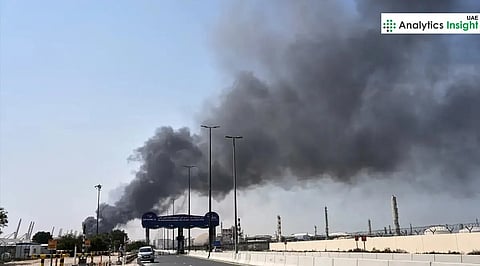


The UAE’s carefully built image as a safe, booming global hub is now under real strain. The ongoing Israel-US war on Iran is no longer a distant geopolitical event. The economy of this country is badly affected. From stock markets to tourism, the shock is visible and it’s forcing a hard look at how resilient the UAE’s growth model really is.
Over $120 billion has been wiped off the Dubai and Abu Dhabi stock exchanges in just a month. More than double Abu Dhabi’s losses, Dubai has taken the bigger hit, with its index plunging 16% since February 28. The UAE’s diversified model, built on global flows of people and money, is proving far more exposed in times of conflict.
Dubai’s property market, once unstoppable, is now slowing sharply. Transactions have dropped 37% year-on-year, while sales have fallen more than 50% compared to February. Prices are slipping, with some sellers offering 10-15% discounts just to exit. Even major developers like Emaar Properties have seen shares fall over 25%. Population growth projections are also weakening, adding long-term pressure to demand.
The disruption is severe, as over 18,400 flights were cancelled and major airports were briefly shut after strikes. Emirates and Etihad have suspended operations and losses are expected to run into billions. Hotel bookings are falling, prices are being ripped and some expatriates are leaving altogether, reportedly paying up to $250,000 for private evacuations.
This crisis is revealing a fundamental weakness of the UAE. The entire model wobbles when there is instability in the market. Recovery is possible, yet it won’t come from optics or short-term fixes. The real challenge now is whether the UAE can adapt its economy to withstand shocks it once believed it could stay protected from.