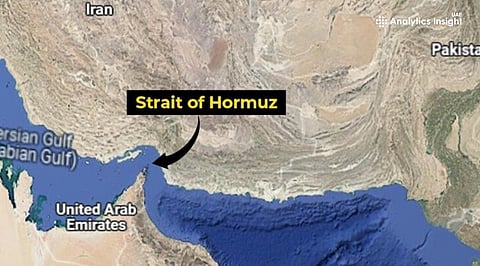


Global oil prices dropped below $90 a barrel after Iran announced its plans to reopen the Strait of Hormuz. This reduced concerns about potential supply interruptions. The situation brought temporary relief until Tehran changed its decision within 24 hours. When it reinstated restrictions on the vital waterway. This created new uncertainty for energy markets.
On Friday, Iran reopened the strait following a ceasefire linked to regional tensions in Lebanon. Markets reacted swiftly, with crude prices dropping sharply as traders priced in improved supply flows.
The optimism faded on Saturday after Iran’s military command announced that control of the Strait had returned to ‘strict management’ under armed forces oversight. Officials warned that restrictions would remain in place as long as the United States continued its naval blockade of Iranian ports.
US President Donald Trump welcomed the reopening but made it clear that the US blockade would remain intact until a broader agreement with Iran is reached, including on its nuclear program.
The continued standoff between Washington and Tehran has kept shipping activity uncertain, with vessels navigating cautiously through the region.
The Strait of Hormuz remains one of the world's most important chokepoints for energy supplies. The Strait is the only sea link between the Persian Gulf and the wider ocean.
The Strait handles the transportation of up to 20 percent of the world's total oil supply.
The route handles approximately one-fifth of the world's LNG shipments, which originate primarily from Qatar.
The Strait handles the daily movement of 20 million barrels of oil.
Any disruption that lasts even a brief period will reduce global supplies and lead to price spikes.
The first drop in prices was linked to easing supply fears; however, Iran's move has brought back geopolitical risk premiums in oil markets. More volatility is expected as long as geopolitical changes persist.
Should there be another confrontation or sanctions, the impact on supply would likely lead to higher prices again.