

US employers added 162,000 jobs in August, well above the 53,000 increase expected by markets. The unemployment rate held at 4.1%, according to data from the Bureau of Labor Statistics.
The figures show a widening gap between parts of the technology industry and the manufacturing sector. Employment in the information sector fell by 23,000 jobs during August.
The decline comes as companies expand their use of artificial intelligence across technology operations. Several traditional technology roles are facing pressure as businesses adopt AI-based tools and systems.
Manufacturing recorded a different trend. The sector added 16,000 jobs in August, following a recent low in December 2025.
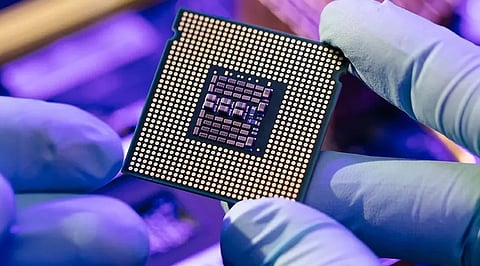
The increase was linked to construction and production activity at semiconductor facilities. The expansion of chip plants is creating demand for workers in manufacturing and related production roles.
The latest employment figures point to a shift in the type of jobs being created around the technology economy. AI is reducing demand in some information-sector roles, while investment in semiconductor production is supporting new industrial jobs.
Other sectors also recorded notable gains during August. Hospitality and leisure employment increased by 62,000 jobs after falling for two consecutive months.
Public school employment rose by 42,000 positions as schools resumed activity after the summer break.
Earlier employment figures were revised higher. July payrolls were revised to show a gain of 21,000 jobs, compared with an earlier estimate of a 23,000 decline.
June employment figures were also revised higher. The updated data showed a gain of 31,000 jobs, which was 11,000 more than the earlier estimate.
The labour-force participation rate also rose by 0.1 percentage point in August. Even with the increase, the rate was still 0.5 percentage point below its January level.
The stronger jobs report also affected financial markets. The yield on the 10-year US Treasury note climbed to 4.772%. Investors were watching the data closely as they assessed the Federal Reserve’s next interest-rate decisions.
Also Read: Taiwan Chip Revenue Set to Surge 40% on AI Demand