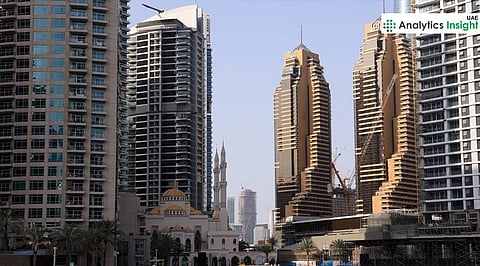


The UAE property sector is facing a historic reckoning as recent Iranian missile strikes have shattered the region’s long-standing reputation as a ‘safe haven.’ These attacks, which targeted airports, ports, and residential areas in both Dubai and Abu Dhabi, have triggered a sharp 5% drop in the shares of major developers, including Emaar Properties and Aldar Properties.
Most Dubai property sales in 2025 were for unfinished buildings. However, the current situation has international investors worried about the future of these massive construction projects.
The missile strikes have impacted property purchases in the UAE. Buyers are no longer rushing to close deals; instead, they are waiting to see how the war unfolds. Real estate agents have also confirmed that fewer people are visiting construction sites. This has delayed some major contracts.
According to a report by Reuters, a senior real-estate banker said his firm stopped raising new money, stating: "Investors are not thinking at this stage of investing in the region... the risk premium attached to UAE real estate had become much higher."
This is a big problem for unfinished ‘off-plan’ buildings. If foreign buyers stop investing, there will be a large number of empty apartments. Thousands of new units are projected to be ready for occupancy by 2028. However, without buyers, the market could face a serious collapse.
Insurance companies generally raise their prices during wars or military strikes. This increases the price of building and owning property. Data shows that risk costs in the Gulf could rise by 1% to 1.5%, making it difficult for developers to borrow money from banks.
If developers pay more, buyers will also eventually pay more. Consequently, homeowners might see higher monthly fees to cover ‘war risk’ insurance.
S&P Global explained this danger in a recent report: "International lenders could come under pressure to cut back on fresh lending, which may eventually force asset sales if the conflict continues."
Investors are waiting for the market to stabilize. Many buyers even paid in cash to protect the market from a total crash. However, the UAE's real estate sector’s success depends on whether buyers believe the region is safe. This adds pressure on the government to prove that its cities are still secure for global business.