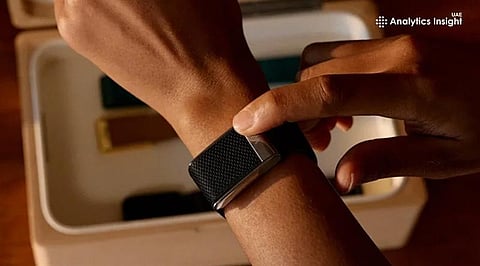


Boston-based wearable tech company WHOOP has raised $575 million in a Series G funding round. This gives the company a total value of $10.1 billion. The funding will help WHOOP grow in the Gulf Cooperation Council (GCC) region and other international markets.
The funding round included big investors like Collaborative Fund, 2PointZero Group, Qatar Investment Authority (QIA), and Mubadala Investment Company. Other global investors such as Abbott, Mayo Clinic, Macquarie Capital, and Bullhound Capital also joined. Several famous athletes and celebrities, including Cristiano Ronaldo, LeBron James, Rory McIlroy, and Karen Wazen, invested too.
WHOOP plans to use the money to expand in the GCC, Europe, Latin America, and Asia. The company will open WHOOP Labs Doha, its first research and development center outside the US. This lab will focus on improving WHOOP’s AI-based platform, which gives users advice on sleep, recovery, exercise, and overall health.
The company saw strong growth in 2025. WHOOP now has over 2.5 million members worldwide. Its subscription bookings rose 103% compared to last year, reaching a $1.1 billion run rate. The company is also cash-flow positive and plans to hire over 600 new staff this year to support global growth.
CEO Will Ahmed said the GCC is a key market. Demand for wearable health devices is growing fast in countries like Qatar, UAE, and Saudi Arabia. WHOOP will increase its retail presence, form new partnerships, and hire more local employees. The devices are popular among athletes and people who care about their health. Members use the WHOOP app more than eight times every day.
With a $10.1 billion valuation, WHOOP joins the top health-tech companies globally. Its wearable devices and personalized health advice help it stand out from other brands. Expanding into the GCC will bring WHOOP closer to new customers who value fitness and wellness.
This funding shows strong investor confidence in WHOOP’s technology and growth plans. The company now ships to 56 countries and offers services in six languages, setting the stage for more global success.
Also Read: UAE and Saudi Explore Alternative Trade Corridors Amid Hormuz Concerns