

The United Arab Emirates has issued a strong warning about the Strait of Hormuz. People who try to stop the Strait from operating create an economic terrorism situation through their actions.
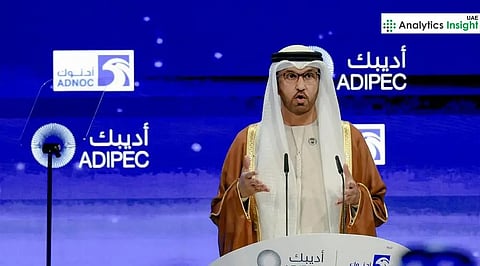
Sultan Al Jaber, who serves as the CEO of Abu Dhabi National Oil Company (ADNOC), delivered a speech at the CERAWeek energy conference in Houston. He warned that any threat to the strait would affect oil-exporting nations, their customers, and the entire international market.
The Strait of Hormuz serves as an essential route for international trade. The narrow waterway sees daily passage of 20% of the world's oil supply. The economy experiences immediate impacts from any disruption that occurs at this location.
Current market conditions indicate that oil prices have already reached $100 per barrel. The market price increases because traders fear potential supply shortages that might happen as the conflict develops.
Middle East conflicts have increased attacks on energy facilities while making military operations more dangerous. The strait now faces shipping companies that choose to avoid it because they deem it unsafe. Insurance providers are also reluctant to cover trips.
Experts warn the effects go beyond short-term oil prices. The supply chain disruptions will impact both petrochemical production and all other industrial supply chains. The increased energy costs for businesses worldwide result in economic deceleration, which drives up inflation for both companies and their customers.
The UAE has requested all countries to work together to maintain secure and open waterways in the strait. Al Jaber emphasized stronger maritime partnerships and long-term planning to protect energy markets.
The extended disruptions will create multiple economic impacts that go beyond oil disruptions, affecting manufacturing costs and food prices worldwide. The Strait of Hormuz serves as an international economic system that extends beyond its regional boundaries.