

Amid geopolitical conflicts, the gold market has experienced a significant price surge over the past few days. However, the recent sudden drop in gold prices has surprised many.
Experts had anticipated an increase in gold prices, but instead, they witnessed a decline. Currently, global macroeconomic forces are influencing the market's near-term direction.
Looking at the current scenario, Chris Weston, Head of Research, Pepperstone, said, “This is a great question, but also an incredibly challenging one to answer.” He believes the Strait of Hormuz is the key factor shaping the current gold market price.
He also said that a prolonged disruption has appeared unlikely, with pressure building quickly toward either diplomacy or escalation. He also added that the current setup is difficult to project over any fixed horizon, largely because the situation driving markets is fluid.
A major shift in oil prices could quickly change the direction of gold markets. Weston also said that any signs of reduced tensions or improved exports through the Strait of Hormuz can push energy prices lower and reset price expectations. Weston further highlighted, “That combination would be supportive for gold. Lower oil prices remain the clearest path to a sustained rebound.”
As of now, global markets are watching for signs that diplomacy is gaining traction. However, the outcome remains uncertain. In the meantime, increased inflation expectations remain constant. Experts suggest that gold is still a defensive asset over time. But during emergencies and geopolitical conflicts, it is often sold simply because it is liquid.
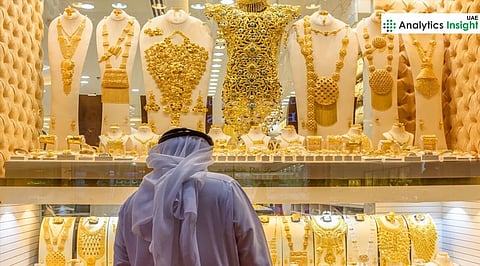
That dynamic has played out in recent weeks, with investors trimming positions to meet margin calls, raise cash, and reduce exposure. While global investors remain cautious, the pullback has brought a different response in the UAE, where consumers are stepping in. Retailers report an increased demand, particularly from buyers advancing planned purchases.