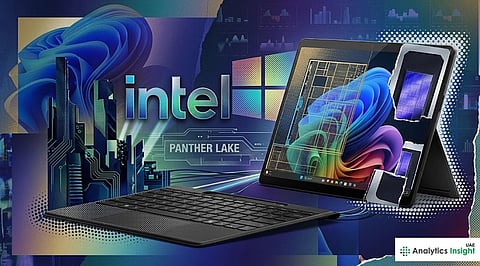


Microsoft’s next-gen Surface Pro 12 is likely to come with Intel’s Panther Lake processors. This could mark a notable internal upgrade by the tech giant. Reportedly, the new model will focus on high-end performance rather than a design overhaul.
These processors are expected to feature improved graphics performance and the upgrade should benefit creative workloads, multitasking, and AI-driven features.
According to the latest leaks, “a refreshed Microsoft Surface Pro 12 and a new Microsoft Surface Laptop 8 have been spotted in a Geekbench listing. The Surface Pro 12 is expected to stick to its thin and light 2-in-1 design, with upgrades showing up internally.”
It is also expected that the laptop could feature the Intel Core i5 335 and 325 chips. Both of these chips are eight-core processors, with just a minor difference in clock speed.
Microsoft will keep using its dual-chip approach. The company plans to release products that use both Snapdragon and Intel technology. Thus, allowing you to select between two options: performance power and battery life savings. The Surface Pro 12's higher-end models will use OLED displays. The new display technology will deliver deeper blacks and improved contrast compared to existing IPS screens. The basic versions of the product will retain LCDs to keep manufacturing costs down.
Microsoft will maintain its current design for the Surface Pro 12. The Surface Pro 12 is expected to add new features through minor updates and new color choices. You may also see an increase in the product's price. Some reports indicate a premium product positioning. The laptop may come with both 13-inch and 15-inch models. It might feature the Intel Core Ultra X7 368H paired with Intel Arc B390 graphics.
Surface Pro 12 is expected to launch in the middle of 2026, as Microsoft is now more focused on major internal enhancements. It suits best those who want to upgrade their laptop performance without changing brands. As of now, the official timeline remains unknown.
Also read: Microsoft Redefines Gaming With 32GB RAM Now a ‘No-Worries’ Standard for Windows 11