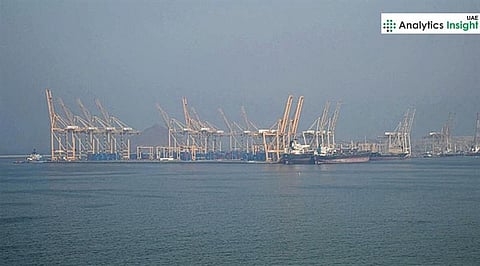


The Strait of Hormuz has reopened after the US and Iran signed a ceasefire. However, the usual number of barrels of oil cannot be transported. Oil production of 11 million barrels per day is currently shut down across the Middle East.
According to Wood Mackenzie, shipping security through the Strait of Hormuz is emerging as a critical bottleneck. So, the usual count of oil barrels cannot be restored until export logistics normalize.
The initial phase of any recovery focuses more on restoring confidence and less on upstream capacity in maritime transit. In line with this, Alan Gelder, Senior Vice-President, for Chemicals and Oil Markets at Wood Mackenzie, said, “A workable system of transit and shipowner confidence in the security of the transiting vessels is essential.” This includes the following key areas:
Access to insurance
Trade financing
Sustained vessel movements both out of and into the Gulf.
Reports suggest that laden tankers have a strong incentive to move quickly once security assurances are in place. But uncertainty still looms over how many ships can transit the Strait safely. Inbound traffic also comes as a major challenge at this point.
Gelder further explained that “Ballasting vessels are unlikely to enter via the Strait of Hormuz any sooner than a just-in-time logistics basis, at risk of becoming trapped if hostilities resume.” He also said that onshore storage drawdowns are constrained by the port's limited loading capacity.
As exports gradually resume, the existing storage space will allow upstream production and update transit activity to restart. Note that storage capacity differs across the region. It takes around a month’s worth of output in Saudi Arabia and the UAE to less than two weeks in Iraq and Kuwait.
Bottom line: normal transit will only resume when the US-Iran conflict comes to a permanent halt. Market experts suggest that once these hurdles ease, attention will shift back to production capabilities and to exploring new recovery paths by country.