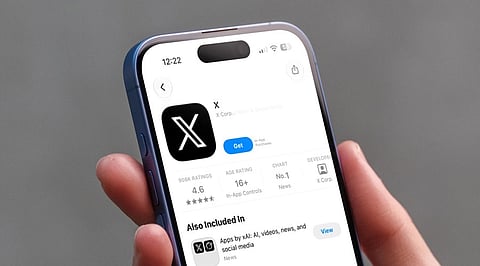


A new phishing campaign is targeting users of X (formerly Twitter) by sending fake "suspicious login" emails that closely resemble legitimate security alerts from the platform. Cybersecurity experts warn that the emails are designed to create panic and trick users into revealing their account credentials or authorising malicious applications. With the messages looking almost identical to genuine notifications, users are being urged to verify every login alert carefully before taking any action.
The fraudulent email says that one's account has been logged into by a new or unknown computer or device. This email is made more believable because of the inclusion of certain information like the browser used, operating system, and general location of the computer, and asks people to click on the link provided to secure their account.
What makes the fraud believable is that the email uses the exact design of X as well as gives security suggestions that may be true as well but the embedded link leads to a phishing website.
Although the phishing emails appear authentic, there are a few warning signs. Official security emails from X generally include the user's account handle and are sent only from @x.com or @e.x.com email domains. X also states that it never sends emails with attachments or asks users to share their passwords through email.
According to security analysts, it is advised that one should hover over links before clicking on them and see if they link to the genuine x.com domain. Any email which instills a sense of panic or requires login into a new website should be considered suspicious.
Also Read: Fake Suppliers, Cloned Voices, AI Scams: UAE Firms Face Rising Digital Risks
When getting an alert about an unusual login, one is advised not to click on any link in the email but open the X application or go to the company’s website to check the history of the logins. In case there is an unknown device, it is recommended that one changes the password immediately and deny access to any unknown third-party application.
Two-factor authentication (2FA) should be used to increase security, making unauthorized access more difficult. Since cyber criminals are still using emails to target victims, security experts suggest using official apps and websites instead of emails to confirm any activity in your account. Staying alert to subtle warning signs remains one of the most effective ways to prevent account compromise.