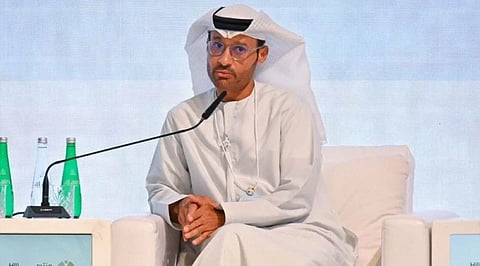


UAE’s ability to withstand growing cyber threats depends on both government systems and how alert citizens and businesses are. The country’s top cybersecurity official, Dr. Mohamed Al Kuwaiti, Head of the UAE Government Cybersecurity Council, made this remark at GISEC Global 2026 in Dubai.
Al Kuwaiti said cybersecurity has become a shared responsibility as artificial intelligence, geopolitical tensions and expanding digital infrastructure reshape the threat ecosystem. He described the community as the country’s ‘first line of defense,’ stressing the importance of identifying and reporting suspicious activity.
Al Kuwaiti said the UAE had faced around 800,000 cyberattacks during the ongoing regional crisis, with critical sectors including energy, telecommunications, aviation, government and healthcare among those targeted.
The scale of attacks has increased the need for closer coordination between government agencies, private companies and international partners. According to Al Kuwaiti, sharing threat intelligence quickly has become an important part of responding to cyber incidents and limiting their impact.
He also pointed to five broad areas underpinning the country’s cybersecurity approach: governance, policy, capacity building, partnerships, and the wider mission of protecting national security and digital infrastructure.
“This is where we saw not only the critical infrastructures was one of the major attack entities in data perspective, energy sector, telecom sectors, as well as aviation, government, healthcare-you name it,” he said.
Technology alone cannot prevent every cyber incident, particularly when attackers exploit human behavior. Al Kuwaiti said more than 85% of cyber threats begin with an incorrect or unintended click by an average user, highlighting the role of cybersecurity awareness in everyday digital activity.
He called for greater participation from women, young people and children in building a stronger cyber culture. Cybersecurity concepts have already been incorporated into UAE educational curricula, he said, while the growing availability of AI tools makes digital awareness increasingly important.
The message extends beyond government employees and cybersecurity professionals. Citizens and businesses are expected to recognize suspicious activity and contribute to the wider effort to keep digital systems secure.
“We focus on those five pillars of cybersecurity that we always spoke about, from governance to policy to building of those capacities to partnership to the mission that we are really focused on, the security and safety as well as defending and protecting is very important to us,” he said.
Also Read: Cybersecurity, Resilience in Focus as UAE Central Bank Revamps Operational Risk Rules
The cybersecurity chief also highlighted the need to prepare for technologies that could change the threat environment further. Quantum computing is among the areas the UAE is watching as it plans for future cybersecurity challenges.
“Our curriculums, as a matter of fact, have already embedded so many things in the cyber domain. With the AI now in everybody's hand, we need to ensure the culture of cyber security. The culture of hygiene is already there, and we thank all our partners who actually really helped us in this respect,” he added,
GISEC Global 2026 is currently going on at Dubai Exhibition Centre from September 16 to 18, bringing together cybersecurity professionals, government representatives and technology companies from around the world. AI, cyber resilience, and emerging digital threats are among the major themes at this year’s event.