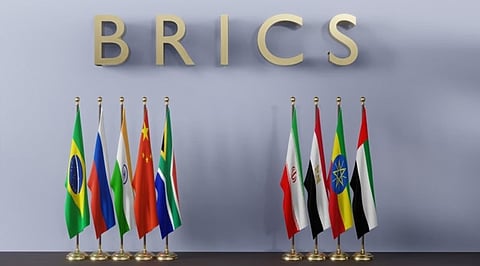


The United Arab Emirates has showcased its AI-driven labor market strategy at the 12th BRICS Labor and Employment Ministers’ Meeting in Hyderabad, India. The meeting took place under India’s 2026 BRICS chairmanship and focused on the future of work, social protection and workforce development.
The UAE aims to build a flexible, inclusive and technology-driven labor market. This approach involves collaboration between the government and private sectors, flexible regulation, technology adoption, and artificial intelligence. The nation believes these approaches will help the labor market adapt to changing conditions.
The UAE’s involvement coincides with BRICS nations examining how artificial intelligence and digitalization are impacting jobs. Governments have recognized that they need to pay attention to issues of skill development, workforce planning and digitalization led by automation of job tasks and business models.
For its part, the UAE emphasized that social security, labor market development, female employment, skill development and digitalization should all be considered together to build a resilient and inclusive workforce.
At the same time, the deliberations also highlighted a wider issue for the BRICS community. AI development needs to support greater productivity and create new opportunities without leaving workers behind or accelerating job displacement.
The UAE’s presentation highlights how AI is moving from a technology policy issue to a core labor market concern. With businesses automating and implementing intelligent systems, governments need to make sure their citizens are prepared for change.
The BRICS presentation reveals that it is critical to combine AI applications with policies of inclusivity, enhanced social protection, and reskilling. In the case of the UAE, this translates into taking advantage of technology and regulation to develop the private sector and prepare its citizens for the next stage.
Also Read: How UAE Became a Magnet for Global Investors and Startups in 2026