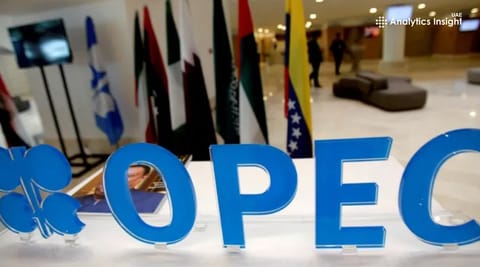


There is a significant transformation underway in the international oil market. The decision of the United Arab Emirates to leave OPEC and OPEC+ at a time when geopolitics are tense. Additionally, global supply chains are uncertain, and competition among oil-producing countries is increasing.
The UAE’s Energy Minister, Suhail Mohamed al-Mazrouei, stated that the decision was made following a thorough analysis of the energy policies of the regional power. When asked whether the UAE sought Saudi Arabia's advice on the matter, given that the country was one of the key members of OPEC, the minister denied it and stated that the UAE had not discussed the issue with any other country.
The Organization of the Petroleum Exporting Countries, also known as OPEC, was formed in 1960 in the Baghdad Conference through the efforts of five founding nations: Iran, Iraq, Kuwait, Saudi Arabia, and Venezuela.
The primary motive for the creation of this organization was the desire to counter the power held by the Seven Sisters, the major oil corporations of the West. The Organization of Petroleum Exporting Countries (OPEC) was established for the purpose of:
Coordinating the petroleum policies of member countries;
Ensuring the stabilization of fair and stable prices in world oil markets;
Maintaining efficient supply to consumers;
Exerting influence on natural resources.
At the present time, there are twelve member countries in OPEC.
Economic and geopolitical considerations have been at play as to why the UAE has decided to leave OPEC+. A prominent one among these is the wish of the UAE to produce oil with greater flexibility since it has substantial spare production capacity and that quota limits hinder future growth potential.
Desire to pursue their own energy policy and production increase
Irritation with having their output restricted by OPEC+
Geopolitical distance from Saudi Arabia in the region
Diplomatic/economic closeness with the United States and Israel following the signing of the Abraham Accords
Operating independently from OPEC+ will help the UAE be able to respond quickly to shifts in demand patterns globally and earn revenues by utilizing its inexpensive oil reserves.
The withdrawal of one of the largest producers, the UAE, from the organization might result in further disorganization in OPEC+ actions, given the shifting demand patterns globally, increased non-OPEC production, and, consequently, the loss of power over global prices.
Simultaneously, due to the current geopolitical tensions and uncertainties in supply chains, particularly around the Strait of Hormuz, the world energy market is currently at its most unstable point in recent years.
Also Read: Oil Prices Slip Below $100 as Ceasefire Hopes and US-Iran Talks Ease Market Tensions