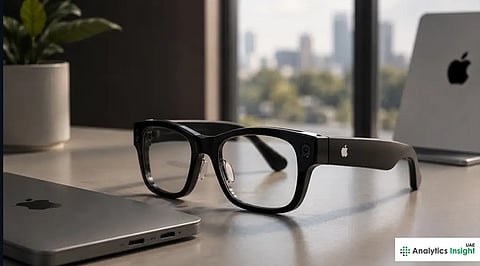


Apple's long-awaited smart glasses may arrive slightly later than expected. According to Bloomberg's Mark Gurman, the company is now targeting a late 2027 launch, a shift from the previous early 2027 release.
The report says Apple is still facing challenges while developing the product. Siri's AI features that are a key part of the project are still under development.
Even with the delay, the smart glasses project remains a major focus inside Apple. Gurman reports that CEO Tim Cook wants to see the product move forward before leadership passes to John Ternus on September 1. Ternus has also been closely involved with the effort through Apple's Vision Products Group.
The upcoming glasses are expected to be priced between $200 and $500. This places them closer to premium eyewear than high-end mixed reality headsets.
Industry observers see a familiar pattern here. When Apple launched the Apple Watch in 2015, it was not only competing with other tech companies. It was also going after the traditional watch market. The smart glasses strategy appears to follow a similar path.
The eyewear business is far larger than the watch market Apple entered a decade ago. The global industry is estimated to be worth around $200 billion a year.
Apple is reportedly testing several frame styles before settling on a final design. These include rectangular and oval-shaped options in different sizes. Black, blue and light brown colors are also under consideration.
The first-generation glasses are expected to include cameras, microphones and speakers. Users may be able to take photos, record videos, listen to music and receive Siri notifications. Walking directions are also expected to be supported.
An augmented reality display is not expected in the first model. This feature appears to be part of Apple's longer-term plans.
Apple will not be entering an empty market. Meta has already released multiple generations of smart glasses through its partnership with Ray-Ban and has helped introduce the category to mainstream consumers.
Meta also has another advantage. Its smart glasses work with Android devices, which dominate the global smartphone market. Apple traditionally keeps its products within its own ecosystem.
Apple still has time to prepare its challenge. The next year and a half will show whether the company can turn its smart glasses project into another successful consumer product category.
Also Read: Google, Samsung Team up on AI Smart Glasses to Challenge Meta’s Wearable Lead