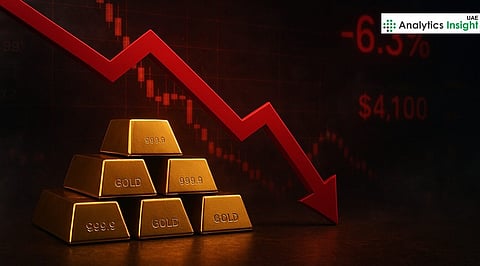


Gold has come off its highs and the difference is hard to miss. Just weeks ago, prices were reaching record levels and now they’ve dropped enough to pull buyers back into shops. However, this isn’t a confident comeback, as the market is still volatile. The fall has made gold look attractive again, yet the market itself feels undecided.
Early March saw 24K gold trading above Dh640 per gram, with 22K close to Dh590. That strength didn’t last long. A wave of selling dragged prices down sharply, with 24K falling into the Dh520–Dh550 range and 22K slipping to around Dh500.
In the past couple of weeks, the panic selling has eased. Instead of bouncing back strongly, prices are just floating. 24K gold is mostly staying between Dh528 and Dh545, while 22K is stuck between Dh488 and Dh505. There are small recoveries, but they don’t last. It’s the kind of market that makes both buyers and sellers hesitate.
Rising oil prices are pushing inflation worries higher and that usually means interest rates stay elevated. That’s not good for gold, because it doesn’t offer returns like other assets. There’s also geopolitical tension in the background, especially in the Middle East.
This feels like an opportunity for shoppers but should not be one to jump at blindly. An investment analyst summed it up, calling for a "selective buy-on-dips strategy near stable levels." Buyers step in when prices dip near Dh530 for 24K or Dh490 for 22K, but they hold back when prices climb.
Right now, the gold market feels like it’s catching its breath. Prices are lower, yet they’re also unsettled. For buyers, it’s a better entry point than a few weeks ago but not a clear direction to go all in. Gold is likely to stay moving until global cues settle down.